Building Knowledge for the Conservation of Pakistan’s Natural Heritage
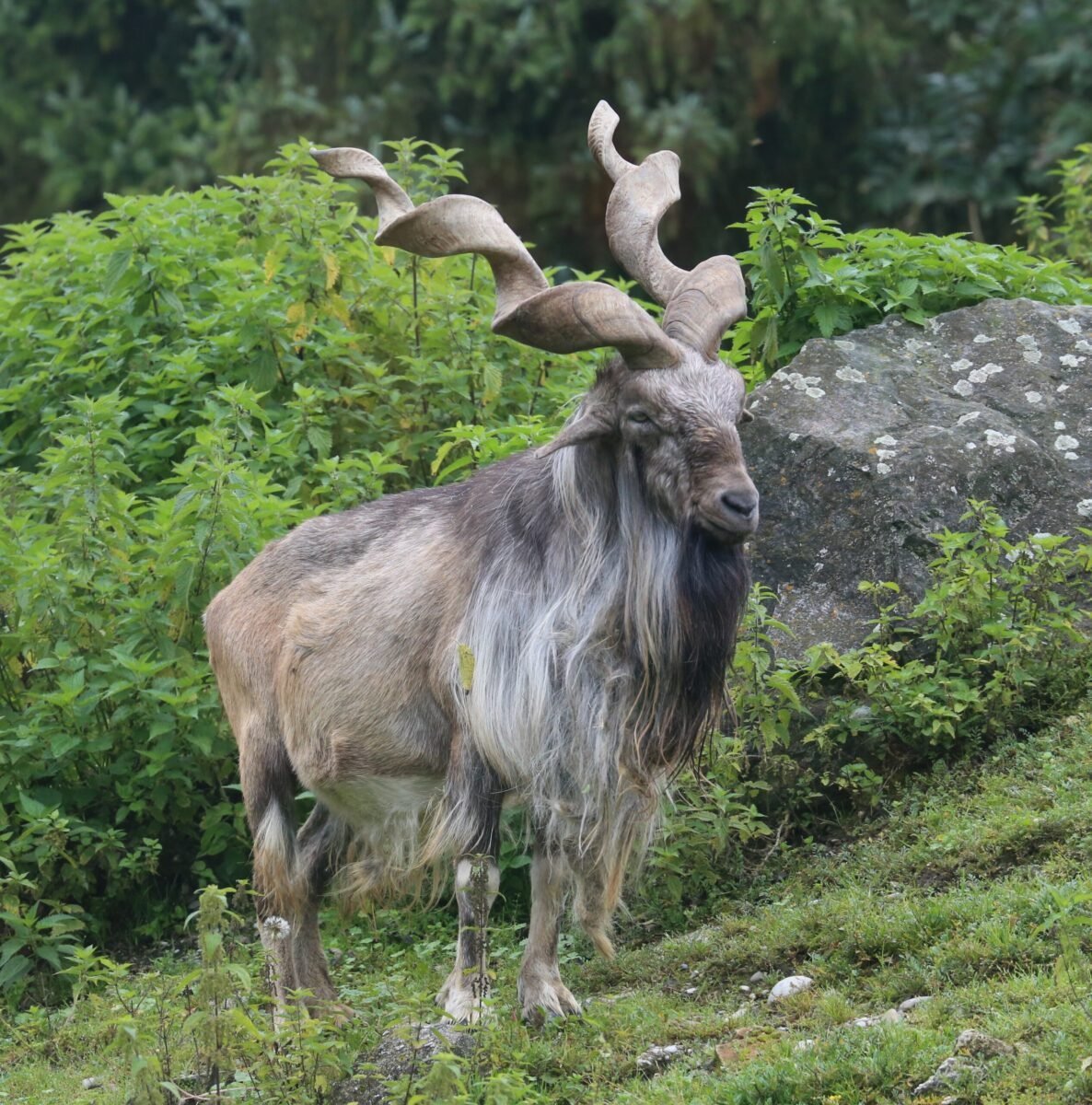
Pakistan is home to an extraordinary diversity of landscapes, wildlife and ecosystems — from the high mountain environments of the Himalaya, Karakoram and Hindu Kush to forests, grasslands, wetlands, deserts, rivers, coastal ecosystems and the Arabian Sea.
Yet much of this natural heritage remains insufficiently documented and understood. Wildlife populations are changing, habitats are under increasing pressure, ecosystems are being altered by climate change and human activity, and important conservation decisions often have to be made with limited or fragmented information.
The Pakistan Conservation Research Unit (PakCRU) has been conceived to help address this knowledge gap.
PakCRU is a conservation research initiative focused on generating, documenting and sharing knowledge about Pakistan’s biodiversity and natural ecosystems. Our work brings together field research, biodiversity documentation, wildlife monitoring, ecological observation, spatial technologies, conservation communication and collaboration.
Our aim is simple: to understand Pakistan’s natural world better so that it can be protected better.
Why PAKCRU
Effective conservation begins with knowledge.
We need to know where species occur, how populations are changing, which habitats are important, what threats ecosystems are facing and how environmental changes are affecting both wildlife and the landscapes on which communities depend.
Pakistan has many researchers, conservation organizations, government institutions, universities and passionate individuals working on these questions. However, research and field information can often remain scattered across different institutions, locations and projects.
PakCRU seeks to contribute to a stronger culture of field-based research, documentation, collaboration and knowledge sharing.
We want to help connect information from the field with the people and institutions who can use it for conservation.
What We Do
PakCRU is built around a multidisciplinary approach to conservation research
We believe that understanding biodiversity requires more than studying individual species in isolation. It requires looking at the relationships between species, habitats, ecosystems, climate, landscapes and people.
Our approach brings together:
Field Research
We support research and field investigations that generate first-hand information about wildlife, biodiversity, habitats and ecological conditions.
Biodiversity Documentation
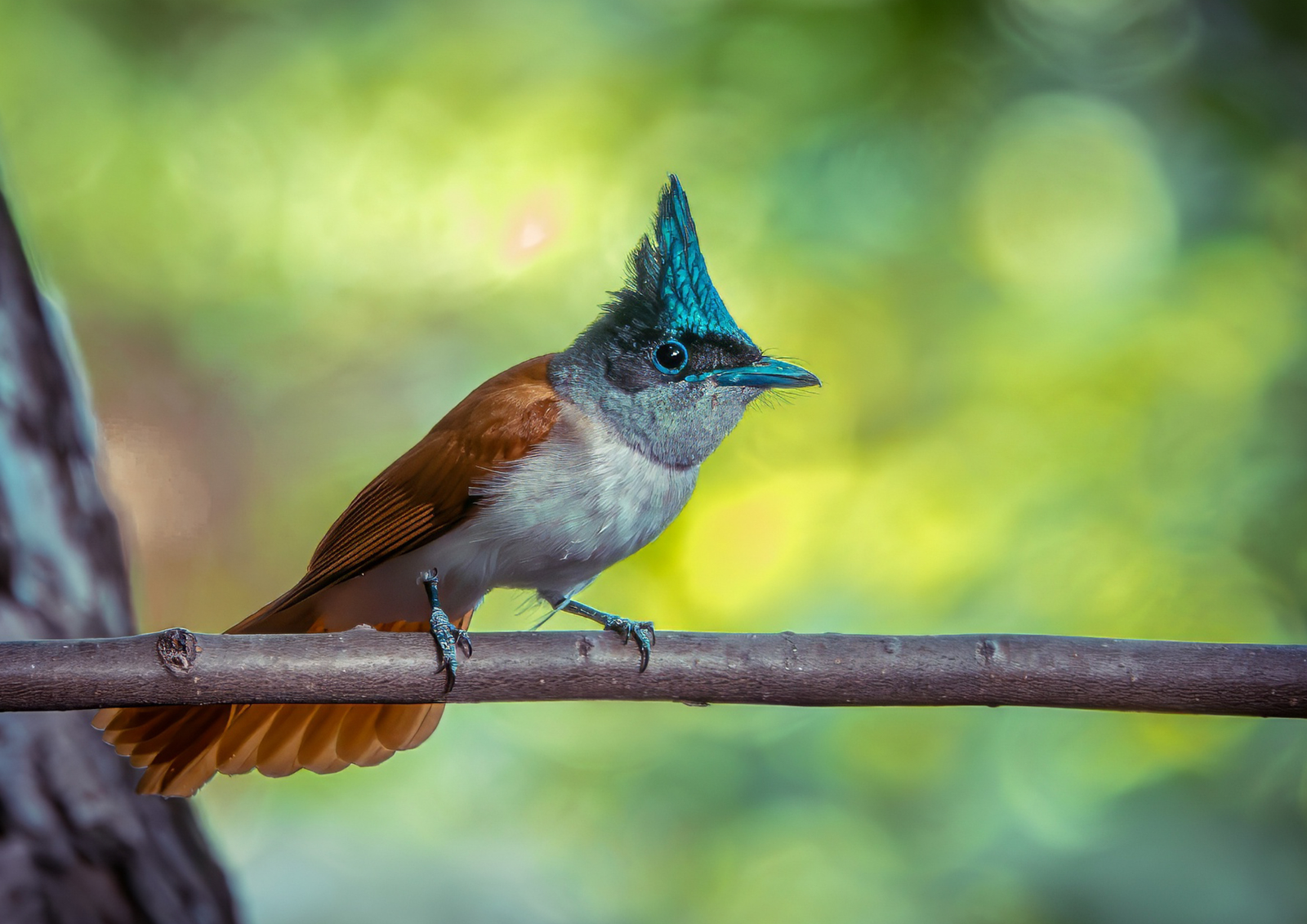
We document species, habitats and ecological landscapes through field observations, photography, mapping, surveys and other appropriate research methods.
Wildlife Monitoring
Where appropriate, we aim to support systematic monitoring that can help establish baseline information and improve understanding of species distribution, populations and habitat use. Spatial technologies can help researchers understand where species and ecosystems occur, how landscapes are changing and where conservation priorities may exist.
Conservation Communication
Research has greater value when its findings can be understood and used. We therefore place importance on communicating scientific and field knowledge through accessible reports, visual documentation, digital platforms and storytelling.
Collaboration
Conservation is rarely achieved by one organization working alone. PakCRU seeks collaboration with researchers, universities, government institutions, conservation organizations, local communities and other relevant partners.
What We Study
PakCRU’s research interests are intended to evolve according to conservation priorities and opportunities across Pakistan. Our areas of interest include:
Wildlife and species ecology
Biodiversity assessment and documentation
Threatened and vulnerable species
Habitat and ecosystem research
Wildlife monitoring
Landscape ecology
GIS and conservation mapping
Climate change and biodiversity
Human–wildlife relationships
Community-based conservation
Conservation technology
Environmental and ecological change